
Blogs
What's New Trending
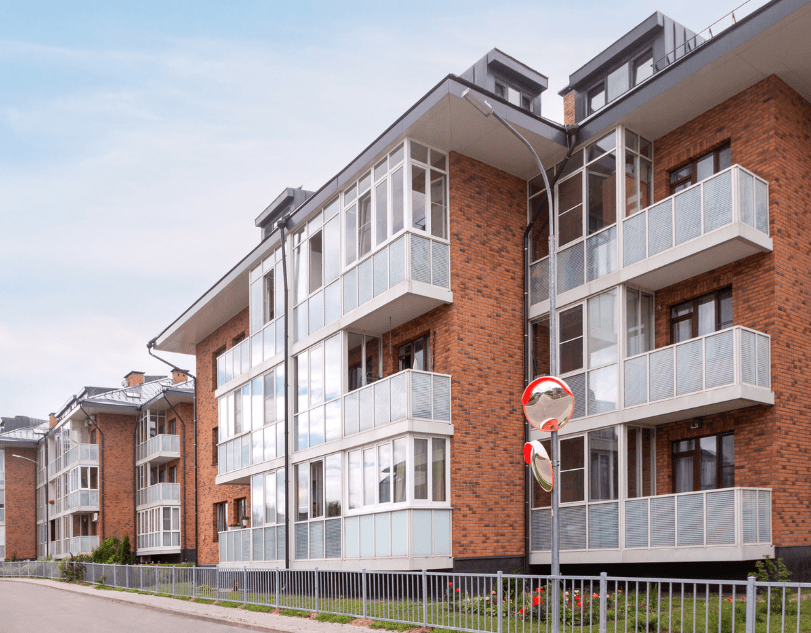

Operating older multifamily properties—especially those built in the 1960s and 70s—requires a very different mindset compared to newer assets.
At first glance, these properties may appear stable. Units are occupied, systems seem to be functioning, and there’s no immediate urgency to fix anything. This often leads operators to focus on visible improvements like unit upgrades or amenity enhancements, assuming that the core infrastructure can wait.
But beneath the surface, these properties often carry risks that don’t announce themselves until something breaks. And when they do, the consequences are rarely minor—they tend to be disruptive, expensive, and difficult to manage in real time.
One of the most common mistakes operators make with older properties is assuming that “if it’s working, it’s fine.” While that mindset may seem practical in the short term, it often ignores the underlying wear and tear that builds up over decades.
In reality, many core systems—such as plumbing, electrical, and structural components—may be operating much closer to failure than they appear. These are not cosmetic concerns that can be postponed; they are operational and safety risks that can impact the entire property if left unaddressed.
Unlike a dated kitchen or worn flooring, these issues don’t just affect how the property looks—they directly impact how it functions. Water damage, power outages, safety hazards, and tenant dissatisfaction can all originate from systems that were never proactively evaluated or upgraded.
That’s why operating older properties is less about chasing upgrades and more about taking precautionary action at the right time.
In one of our properties, the plumbing system consisted of old pipes that, at first glance, appeared to be functioning without any immediate issues. There were no active leaks, and day-to-day operations were not being affected, which could easily lead to the assumption that everything was under control.
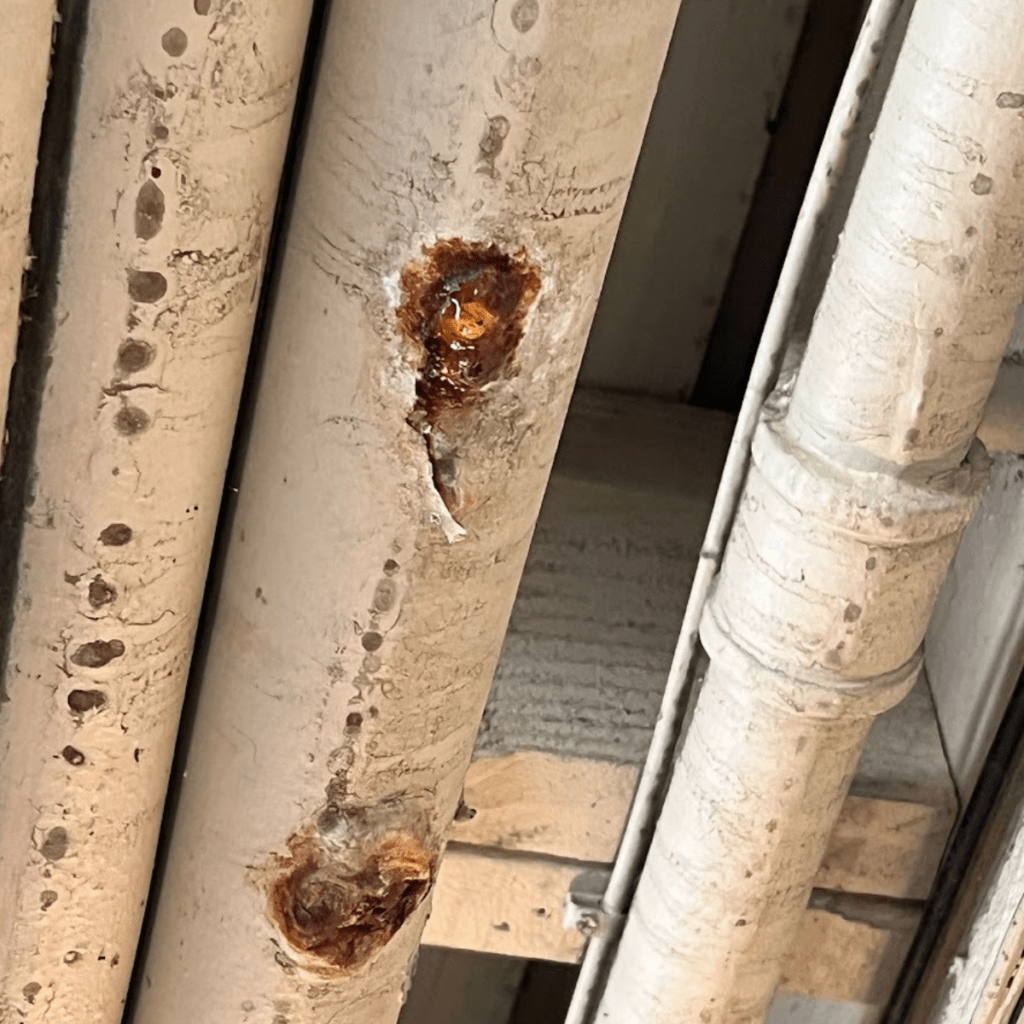
However, a closer inspection revealed a very different reality. Rust had formed across multiple sections of the piping, and several weak points were clearly visible. While leaks hadn’t started yet, it was evident that the system was approaching failure—and when it failed, it would not be gradual.
The risk here wasn’t theoretical. A sudden pipe burst could have flooded multiple units, caused extensive interior damage, and disrupted water supply for several days. In that scenario, the cost of inaction would have far exceeded the cost of addressing the issue proactively.
Before: Rusted pipes with visible corrosion and structural weakness
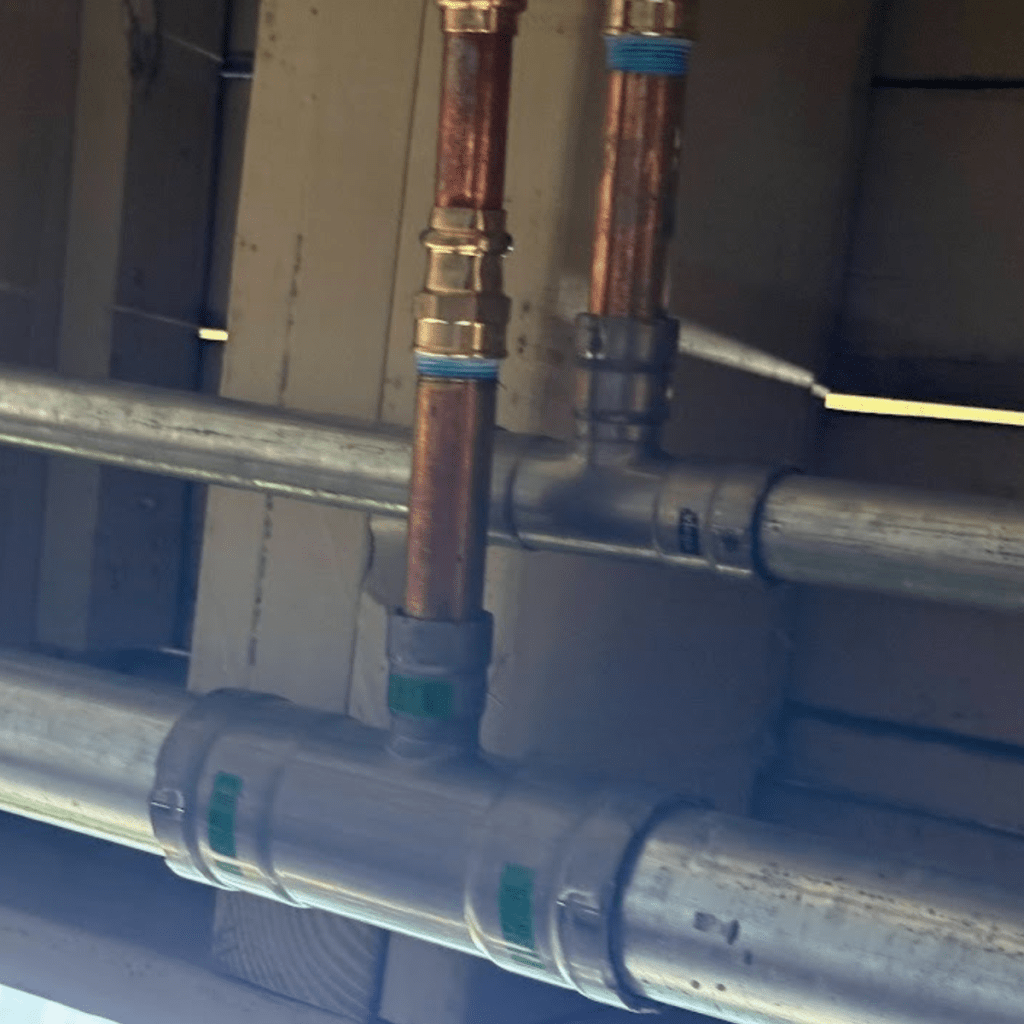
After: Upgraded piping system designed for long-term durability
The initial quote to fix the issue came in at $50,000. Instead of moving forward immediately, we decided to take a more disciplined and creative approach to the problem.
We sourced seven different bids and continued engaging with contractors to explore alternative solutions rather than accepting the first viable option. Most initial recommendations involved replacing the system with copper piping, which is effective but significantly more expensive.
Rather than settling, we kept the conversation going. Eventually, one contractor suggested a different approach—using galvanized piping in a more optimized configuration that could still provide a lifespan of nearly 50 years, but at a much lower cost.
This allowed us to reduce the total expense to $20,000 without compromising on durability or long-term performance. What made the difference here was not just negotiation, but a willingness to think creatively and explore beyond standard solutions.
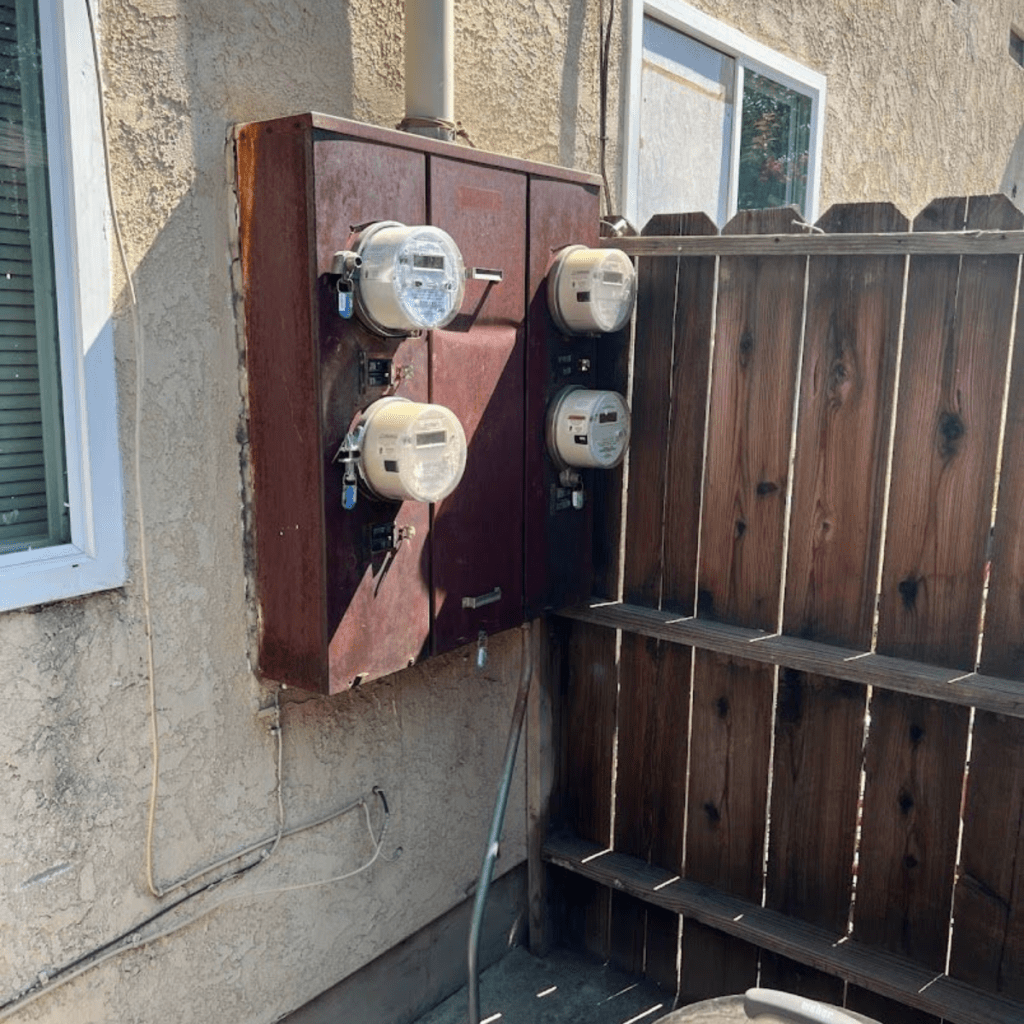
A similar situation emerged with the electrical panels in a different property. While they were still functional and had not caused any immediate issues, they were completely rusted and no longer aligned with modern safety and reliability standards.
In older properties, this is often where the real risk lies—not in systems that have already failed, but in those that are quietly approaching the point where failure becomes likely. Electrical systems, in particular, carry a higher level of risk because the consequences extend beyond inconvenience to potential safety hazards for tenants.
Before: Aging electrical panels with potential safety and reliability concerns
After: Modernized panels ensuring safe and stable electrical distribution
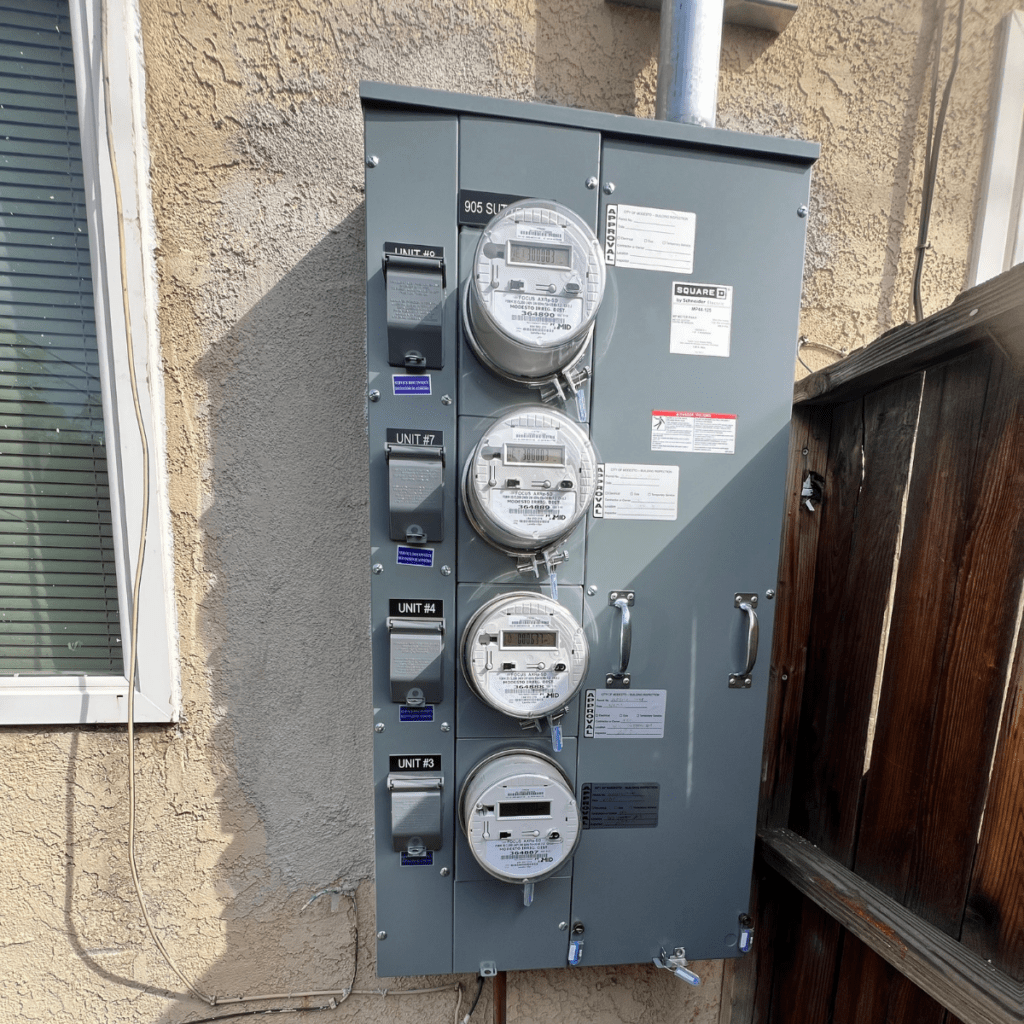
The first quote for upgrading the panels came in at $60,000. As with the plumbing issue, we chose not to accept the initial proposal without further evaluation.
By sourcing multiple bids and refining the scope of work through detailed discussions, we were able to bring the cost down to $35,000 while still achieving the desired level of safety and reliability.
Acting at the right time allowed us to avoid potential outages, emergency repairs, and safety incidents that could have been significantly more disruptive and expensive.
What makes these situations important is not just the fix—but the timing.
Waiting for failure often means:
On the other hand, proactive action allows for:
In older properties, this difference can significantly impact both operations and financial performance.
Managing properties built in the 60s and 70s is not just about maintaining occupancy or improving the appearance of units. It requires a deeper understanding of how aging infrastructure behaves and the risks that develop quietly over time.
Because in these properties, the biggest problems are rarely the ones you can see—they are the ones building beneath the surface. And the difference between a costly mistake and a well-managed asset often comes down to one decision: choosing to act before those risks turn into real failures.
Leave a Reply